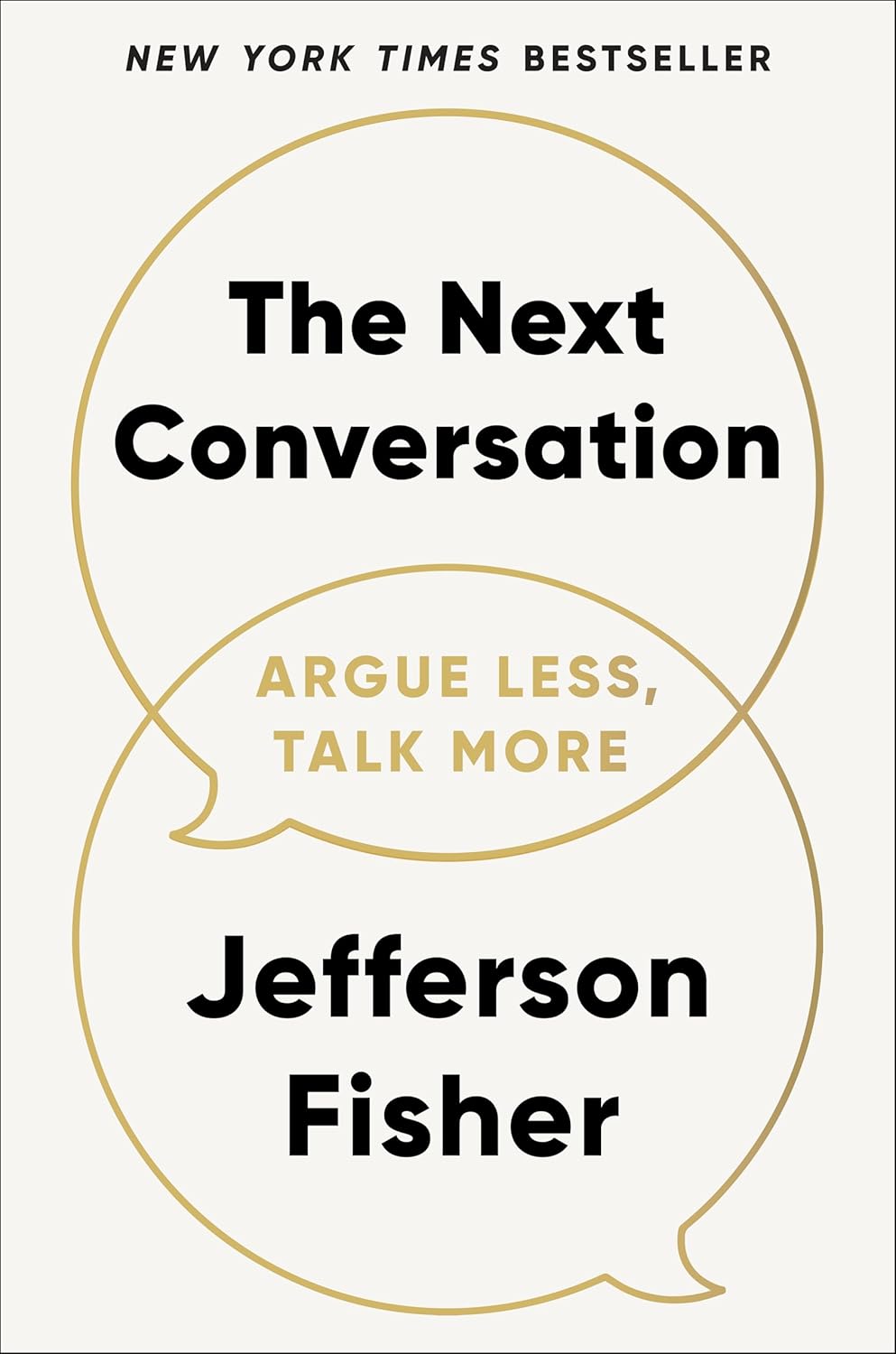
The Next Conversation
Argue Less, Talk More
Navigating Difficult Conversations
We are all faced with difficult conversations from time to time. Whether it be with a friend, family member, intimate partner, or in the workplace – the insight and techniques within The Next Conversation apply universally. Author, Jefferson Fisher, a Texas trial lawyer doesn’t cloud the pages with psychology references nor does he repeat jargon from communications textbooks. Instead, he provides “down-to-earth, homegrown advice” that has helped find him success both in his career and personal life. The book offers a mixture of story, method, and practical examples. The book also offers the invitation to take it slow, to select one technique from the book to integrate, and then when comfortable come back and begin working with another. Truth be told, if you are human, you likely will have plenty of opportunities to practice the techniques found in this book.
Key Insights
- Control comes first – If you can’t control yourself, you can’t control the conversation. Pausing, breathing, and choosing silence often carry more power than rushing to respond.
- Confidence without aggression – Speaking calmly and clearly builds trust; you don’t need to over-explain, apologize excessively, or raise your voice to be heard.
- Connection is the goal – Every conversation is an opportunity to see the person behind the words, not just the argument they’re making.
- Silence is a powerful tool – Pausing displays thought behind your words and creates space for the last speaker to reflect on their own.
- “Next conversations” matter most – The primary goal is not to win in the moment; rather to repair, clarify, and connect. Time is on your side if you can maintain connection.
Looking in the Mirror
Throughout the book, the author illustrates common patterns that people fall into during difficult conversations. With full transparency, I saw myself more often than not in the examples he shared. To some extent, this book is the most practical tool I have found in regards to conflict resolution, something I wish I’d discovered years ago. Regardless, I’m grateful to have discovered it now, yet I recognize that reading the book was the easy part, applying it to my next “difficult” conversation will be the harder part.
A few of my favorite quotes from the book!
Being direct means that you have the self-assurance that you can respect the other person, as well as yourself, enough to communicate your needs openly without fear.Jefferson Fisher : The Next Conversation
The ripples keep going long after the rock hits the water.Jefferson Fisher : The Next Conversation
The person you see isn't the person you’re talking to.Jefferson Fisher : The Next Conversation
Winning an argument is a losing game. Winning means that you’ve likely lost something far more valuable – their trust, their respect, or worse, the connection.Jefferson Fisher : The Next Conversation
The fastest way to lose your peace of mind is to give someone a piece of yours.Jefferson Fisher : The Next Conversation
Have something to learn, not something to prove.Jefferson Fisher : The Next Conversation
You’re meant to feel the warmth of a smile, not read it in an emoji.Jefferson Fisher : The Next Conversation
I can understand and acknowledge you without agreeing with what you said.Jefferson Fisher : The Next Conversation
Confidence doesn’t mean you’re not afraid. It means you do it scared.Jefferson Fisher : The Next Conversation
Confidence doesn’t mean you avoid mistakes. It means you embrace them.Jefferson Fisher : The Next Conversation
What triggers you teaches you – if you’re willing to learn.Jefferson Fisher : The Next Conversation
When you claim it, you control it.Jefferson Fisher : The Next Conversation
Silence may be the absence of sound, but it’s not the absence of communication.Jefferson Fisher : The Next Conversation
Silence can never be misquoted.Jefferson Fisher : The Next Conversation
The question isn’t “how do I feel confident?” The question is “What can I do to create experiences that build my confidence?”Jefferson Fisher : The Next Conversation
When you feel like you’re disappointing the other person, it’s typically 98 percent ego and 2 percent truth.Jefferson Fisher : The Next Conversation
Your actions and choices define the boundary around the things you value.Jefferson Fisher : The Next Conversation
Conversations without direction are sure to get lost.Jefferson Fisher : The Next Conversation
The harder you try to prove them wrong, the more convinced they are that they're right.Jefferson Fisher : The Next Conversation
How often you take things personally is a direct reflection of how much grace you give other people.Jefferson Fisher : The Next Conversation
When you take things personally, you’re picking up what no one has asked you to carry. Put it down and assume positive intent until proven otherwise.Jefferson Fisher : The Next Conversation
Get it today on Amazon!
Check out these other great books!
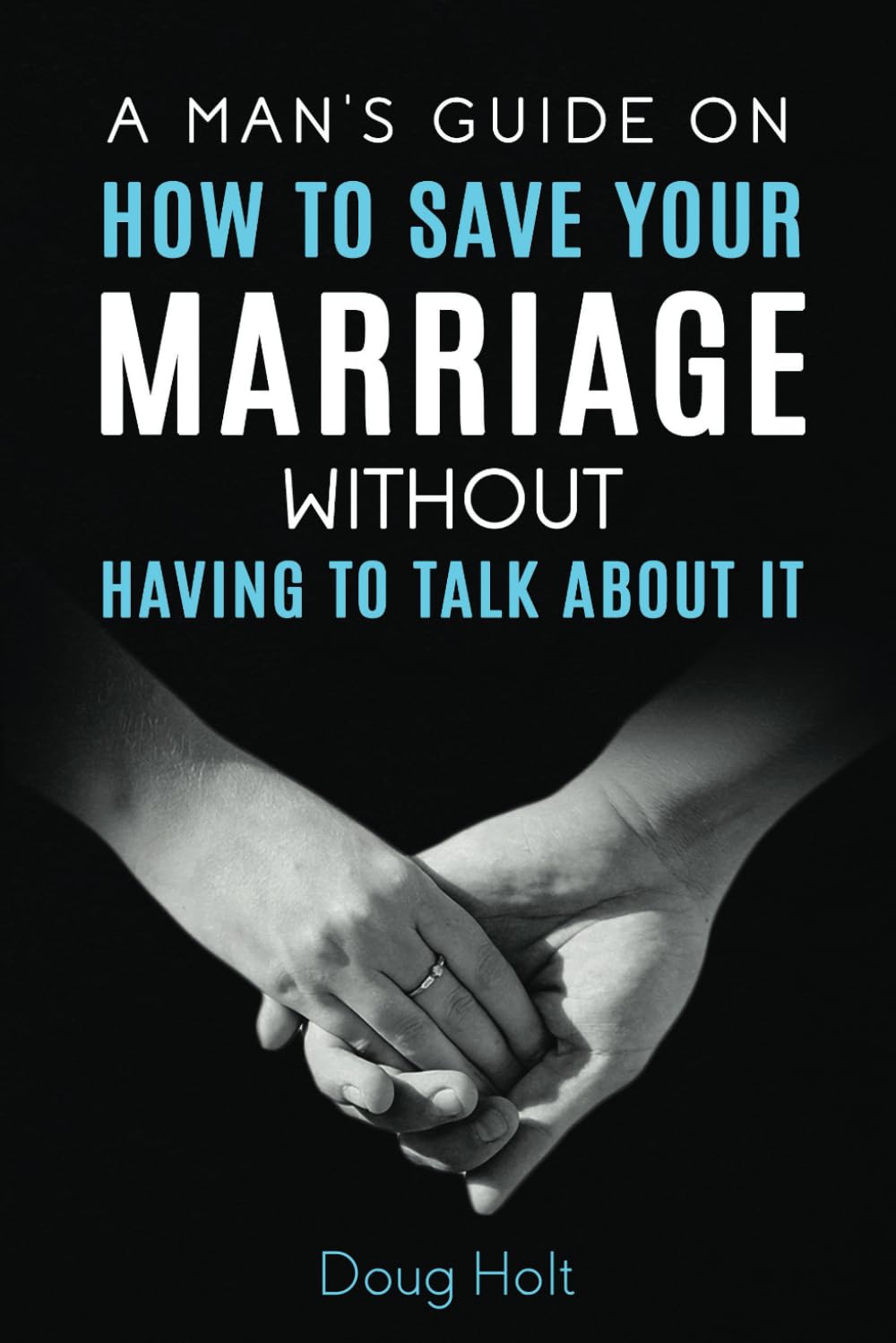
A Man’s Guide on How to Save Your Marriage
Without Having to Talk About ItDiscover what it means to be a "Powerful Man". To embody your masculine energy, take on the alpha role in your relationship, & take ownership over your actions.
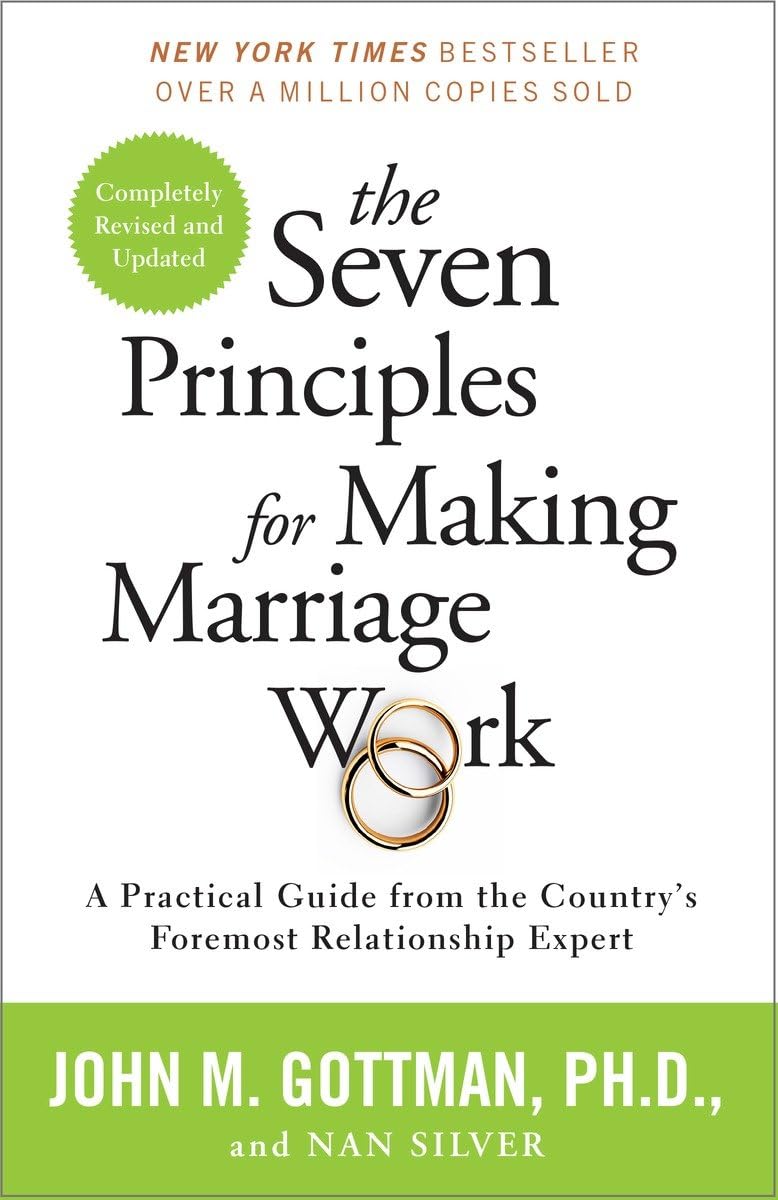
The Seven Principles for Making Marriage Work
A Practical Guide from the Country's Foremost Relationship ExpertWhat makes marriages work? Discover the "lab grown" principles from Dr. John Gottman and learn why unresolvable problems aren't necessarily the biggest issue.

Can’t Hurt Me
Master Your Mind And Defy The OddsExplore mental toughness, discipline, and the power of pushing beyond limits through the life story of Navy Seal and ultra endurance athlete David Goggins.

100M Offers
How to make offers so good people feel stupid saying noFrom hitting a ceiling to building scalable offers, Hormozi turned struggle into a blueprint. This book gives you the system without the pain.